Carpet Cleaning in SW15

Carpet cleaning in SW15 should do more than lift surface dust. It needs to refresh fibres, reduce built-up soil and leave a room feeling cared for without over-wetting the pile. Our service is focused on the practical cleaning work that carpets need in homes, rented properties and commercial interiors, using methods suited to the fabric, construction and level of soiling. The aim is straightforward: restore a cleaner appearance, support a fresher finish and handle the job with attention to the carpet itself.
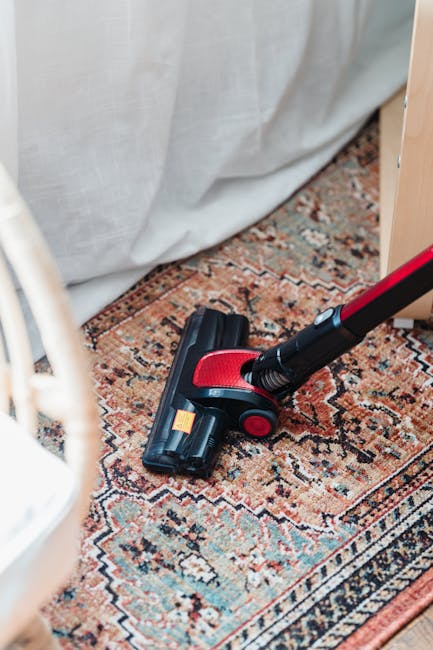
We clean carpets with a process shaped by the material and the condition of the floor covering, rather than forcing the same treatment onto every room. That includes careful inspection of traffic lanes, edges and marked areas, followed by the most suitable cleaning approach for the fibres involved. Good carpet care is not just about visible results; it is also about protecting the pile, working neatly around furniture where possible and leaving the room ready for normal use once drying is complete.
If you need a quotation, the easiest next step is to tell us what rooms, carpet types and problem areas are involved. A brief description helps us focus on the right service path and gives you a practical starting point for pricing discussion. You can also ask for carpet cleaning alongside other soft-furnishing work where that makes sense, but the main focus here remains the carpet itself. Clear details make the quote process simpler.
How our carpet cleaning service works
Our carpet cleaning service is built around the actual condition of the flooring. A lightly marked lounge carpet and a heavily trafficked hallway often need different cleaning decisions, even when they are in the same property. We look at pile type, stain patterns, access and the likely drying requirements before selecting the method. That keeps the work measured and avoids unnecessary treatment that may not help the carpet or the room around it.
Where appropriate, we begin with preparatory vacuuming and a focused pre-treatment stage to loosen embedded dirt and reduce the appearance of marks. More set-in soil, dullness and edge build-up may need a more thorough clean than a quick freshen-up. The outcome depends on fibre condition, previous maintenance and how long the carpet has carried daily footfall. That is why a sensible assessment matters before the work begins.
For many customers, the most useful question is not simply whether a carpet can be cleaned, but which type of cleaning will suit it best. Some materials respond well to deeper extraction methods; others need a gentler approach and careful moisture control. By matching the process to the carpet, we help preserve appearance while still aiming for a better overall finish. Pricing and quotes are discussed against that practical background.
Cleaning for different carpet conditions
Carpets do not all fail in the same way. In one room, the main issue may be general dullness from everyday use. In another, there may be drink spots, tracked soil from shoes, pet-related marks or a visible line where furniture has stood. Our approach is to separate those conditions and treat them sensibly, rather than assuming one pass will solve everything. That is especially important where fibres are delicate or pile recovery matters.
Spot treatment can support the main cleaning stage, but it should be chosen carefully. Fresh marks often respond better than older ones, while some staining may be reduced rather than completely removed, depending on the source and how long it has been present. We do not promise miracles, yet we do aim for a clean, even result that improves the overall look of the carpet. In practical terms, that can mean more than one stage of attention where the floor needs it.
Traffic lanes usually deserve special care because they compact soil more firmly into the pile. Hallways, stairs and room entries can show wear long before the rest of the carpet looks tired. Treating those areas well helps balance the appearance of the room and can make the whole floor covering look more consistent. When the carpet has a mix of conditions, the best results tend to come from patient, localised treatment rather than rushed cleaning.
Fibres, pile and stain treatment
Different carpet fibres react differently to cleaning, moisture and agitation, so the work has to be matched to the material in front of us. Wool, blends and synthetic carpets each present their own handling points, and a cautious approach matters when the pile is dense, textured or prone to flattening. We work with those differences in mind, using methods intended to support the carpet rather than simply pushing through it.
Stain treatment is also more effective when it is specific. Food spills, drink marks, muddy patches and general grime do not all behave in the same way. Some will lift during the main clean; others need pre-treatment, dwell time or careful local work. The aim is to improve appearance without creating over-wetting, rings or texture damage. That is why it helps to assess the stain type before deciding how to proceed.
Where fibres are more sensitive, the clean may need to be lighter and more controlled. That does not mean the result is insignificant. It means the method is selected to suit the carpet’s construction and condition. When handled in this way, the floor can look cleaner and feel better maintained, while the pile keeps a more natural finish. Carpet cleaner and method choice go hand in hand when the job is planned properly.
Rooms, stairs and hard-working areas
Some of the most demanding carpet work is found in the most ordinary places. Living rooms, hallways, stairs, landings and home offices often collect a combination of dust, soil and wear that is not always obvious at first glance. These areas can benefit from a careful clean that tackles build-up at the base of the pile as well as the visible marking on top. A consistent finish across rooms usually matters more than focusing only on one spot.
Stairs need particular attention because the edges, nose and corners can hold dirt where standard movement is awkward. Their shape also makes it important to use controlled cleaning rather than excess moisture or hurried passes. Hallways and entry points can need extra work because they take repeated foot traffic and bring in debris from outside. A good result in these spaces often improves the overall impression of the property as much as a fresh-looking lounge carpet.
Where the carpet runs across several connected rooms, it can be sensible to think about the cleaning sequence as well as the destination. Areas with the heaviest soil may benefit from more focused treatment first, while cleaner rooms can be handled more lightly. That kind of planning helps the work flow neatly and supports a more even final appearance throughout the property.
What to expect when arranging a quotation

When you ask for a quotation, the most helpful information is simple and practical. Room sizes, carpet type, any visible marks and whether the job includes stairs or landing areas give a stronger basis for pricing than vague descriptions. If you can mention whether the carpet has been recently cleaned, heavily used or affected by a particular spill, that is also useful. It helps shape a more relevant estimate and avoids guessing.
For larger or more varied properties, it is useful to separate the areas that need deeper attention from those that only need a standard clean. That can be done with a quick room list or a short outline of the spaces involved. If access is awkward or furniture needs to be worked around, mentioning that in advance allows the cleaning plan to be more realistic. Contact us to start the conversation when you are ready.
We keep the quotation process grounded in the work that is actually needed. That means no unnecessary extras, but also no unrealistic promises about every mark disappearing. The price factors usually depend on the number of rooms, the carpet condition, the cleaning method and the amount of labour involved. If the carpet requires more detailed stain treatment or a more careful fibre-safe process, that can affect the final quote.
After-care and drying considerations
Once the carpet has been cleaned, the drying stage becomes part of the result. A carpet that has been cleaned well but left too damp can be inconvenient, so the finishing process needs to be sensible and measured. The exact drying time depends on fibre type, room ventilation, moisture levels used during cleaning and the condition of the carpet before the work started. Good practice is to avoid unnecessary disturbance while the pile settles.
Simple after-care can make a noticeable difference. Limiting foot traffic across freshly cleaned areas, opening windows where practical and allowing the carpet to dry fully before putting furniture back in place all help protect the finish. If a piece of furniture must be returned sooner, it is better to do that carefully and avoid trapping moisture. These are small steps, but they help the clean last longer and keep the carpet looking more even.
In busy homes, it can also help to think ahead about the order of rooms. Cleaning a hallway last, for example, may reduce the chance of immediate re-soiling from movement through other spaces. That kind of detail is not complicated, but it supports a tidier outcome. If you want to prepare for a quote, a short list of rooms and concerns is usually enough to start.
Related soft-furnishing cleaning options

Carpet cleaning is often part of a wider interior clean where soft furnishings need similar attention. Rugs, sofas and upholstered chairs can collect dust and marks in ways that are not always obvious until they are examined closely. Where these items are part of the same overall job, it can be practical to consider them alongside the carpet work so that the cleaning approach feels consistent throughout the room rather than piecemeal.
Some customers prefer to focus on one item at a time, and that is entirely reasonable too. The main point is to match the service to the material. Rugs may need different handling from fitted carpets, while upholstery requires its own careful moisture control and fabric awareness. We keep the carpet service distinct, but related soft-furnishing tasks can be discussed if they are relevant to the property and the condition of the items involved.
Rug cleaning may suit households with loose floor coverings that need individual care, while upholstered seating can be addressed through a separate fabric-safe process. That distinction matters because different items react differently to cleaning. Keeping each surface in mind helps the overall result look neater and more coherent. If you are comparing options, it is worth asking which parts of the room need their own treatment rather than assuming everything should be cleaned the same way.
Why careful carpet cleaning matters
Carpets do a lot of work in a property. They soften rooms, reduce harsh sound and contribute to the overall feel of the space. When they become dull or visibly marked, the change can affect the room as a whole. Careful cleaning is therefore not just cosmetic. It is a maintenance task that supports the condition of the floor covering and helps it remain presentable for longer, provided the method is suited to the material and level of wear.
Rushed or unsuitable treatment can sometimes cause more frustration than it solves. Excess moisture, inappropriate products or heavy-handed agitation may leave residue, flatten the pile or make drying harder. A considered clean aims to avoid those issues. It is also more likely to produce an even result across the room, which is often what customers notice first. Clean edges, a consistent pile and reduced marking usually matter more than dramatic claims.
If you are comparing services, it helps to look for clear discussion of method, fibre type and the likely scope of the work. That is especially useful where a carpet has both visible spots and general soiling. A balanced service focuses on the practical outcome rather than promising perfection in every case. Carpet cleaning as a service should be understood in those ordinary, useful terms: the right clean for the right floor.
About SW15
SW15 covers Putney and Roehampton in southwest London, with the River Thames forming an important northern boundary through the Putney area. Putney High Street has long acted as a commercial spine for the district, and Putney Bridge links the south bank to Fulham across one of the best-known crossings on the river. The area’s riverfront includes the Putney Embankment, boathouses and stretches of towpath that reflect the long association between the district and rowing. Annual boat-racing activity on the Thames has also given Putney a strong place in London’s sporting memory, particularly around the start of the University Boat Race course.
Roehampton, further inland, has a different character shaped by open space, estates and institutional landholdings. Richmond Park lies to the west of SW15 and is one of London’s largest remaining parks, while Wimbledon Common sits nearby to the south-east. These large green spaces help define the wider setting of the postcode district. The local landscape also includes smaller parks and commons, giving the area a mix of residential streets, open ground and transport links that connect it with central and southwest London. Architecture in SW15 ranges from older riverside and high-street buildings to later residential development, with variation across Putney, East Putney and Roehampton.
Carpet care for homes and managed properties
We support carpet cleaning needs across homes, let properties and managed interiors where a neat finish is important. In rented accommodation, carpets often need attention between occupants or after a period of heavy use. In owner-occupied homes, the aim may be more about restoring freshness in everyday living spaces. The work is similar in principle, but the emphasis can differ: one job may need more detailed stain treatment, while another may be mainly about lifting general dullness and improving the room’s overall presentation.
Managed properties can benefit from a consistent cleaning standard because different rooms may see different levels of use. Bedrooms, receptions, stairs and circulation areas do not all wear in the same way, so it helps to keep the carpet service flexible enough to reflect that. We can discuss the scale of the work sensibly and set out the likely treatment for each area. End of tenancy cleaning may be relevant where carpets form part of a wider handover.
Two brief points usually make the enquiry smoother: first, note which rooms or stair sections need attention; second, mention any marks, fibre concerns or access issues. That is enough for a practical first discussion in most cases. If you are ready to move forward, ask for a quotation and we will take the next step with the details you provide.
More cleaning services that can sit alongside carpet work
Depending on the property, carpet cleaning may be part of a broader cleaning plan that also includes floors, upholstery or other interior surfaces. The right combination depends on how the rooms are used and what condition they are in. It is often better to choose only the services that will genuinely add value rather than adding unnecessary tasks. That keeps the work focused and helps the result feel coherent.
For example, some properties may benefit from a deeper refresh after decorating or refurbishment, while others simply need a one-off clean that tackles accumulated dirt across selected rooms. In those cases, it can be useful to discuss whether carpet cleaning should happen alone or as part of a wider interior clean. The important thing is not to overload the job with unrelated extras, but to choose the surfaces that most need attention. One-off cleaning can suit that kind of combined request.
If your enquiry includes other fabric-covered items or hard floors, those can be discussed separately so the quote reflects the actual work involved. The same applies where windows, ovens or different room types form part of the property’s current condition. Keeping each cleaning area distinct usually leads to a clearer plan and a more useful estimate, especially when several rooms need attention at once.