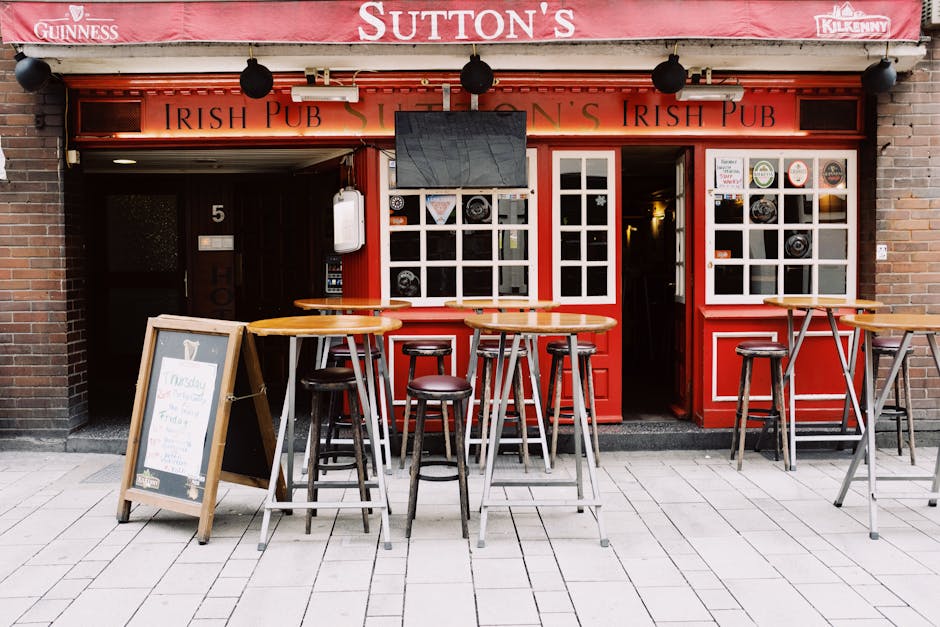
Odour Removal for Putney Pubs and Flats After Parties

After a busy party, the room can feel fine at first glance, but the air tells a different story. Stale drink smells, food grease, smoke, spills in carpet fibres, and that slightly damp nightclub-like scent can linger well into the next day. For Odour Removal for Putney Pubs and Flats After Parties, the real challenge is not just masking the smell. It is finding where the odour has settled and dealing with it properly so the space feels fresh again, not just "less bad".
That matters whether you are managing a Putney pub after a late finish, tidying a rental flat before the landlord notices, or trying to get a home back to normal before Monday morning. In this guide, you will get a practical, no-nonsense look at what works, what does not, and when a professional deep clean makes the difference. And yes, some smells really do hide in places you would not expect. Sneaky things.
Why Odour Removal for Putney Pubs and Flats After Parties Matters
Odour is often the last thing people deal with after a party, but it is usually the first thing others notice. In a pub, lingering smells can affect the experience of the next booking, staff morale, and the way customers talk about the venue. In a flat, stale odours can make the whole space feel untidy even if the surfaces are wiped and the bins are out. That mismatch is frustrating, because you can spend an hour cleaning and still feel like the job is only half done.
In Putney, where homes and hospitality spaces often sit close together, odour control is also about being considerate. Open windows at the wrong time, repeated cleaning products, and half-removed spills can create a sort of mixed smell that is worse than the original problem. Truth be told, a "quick spray and hope for the best" approach usually just layers one scent over another.
There is also a practical side. Certain smells are linked to moisture trapped in soft furnishings, food residue in hidden corners, or drink spills in carpets and under furniture. If those sources are left in place, the smell often comes back, especially in the morning when the air is still and everything feels a bit heavier. You know the feeling.
For that reason, odour removal is best treated as part of a proper post-party clean, not a separate cosmetic step. A full deep cleaning approach is often the simplest way to deal with the cause rather than the surface symptom. In some properties, it may also be sensible to combine this with carpet cleaning, upholstery cleaning, or oven cleaning if the smell has spread through soft materials or cooking areas.
How Odour Removal for Putney Pubs and Flats After Parties Works
Good odour removal starts with source control. That means identifying what is actually producing the smell and where it has travelled. A sweet drink spill in a rug behaves differently from smoke particles in curtains, and both behave differently from fried-food odours trapped in the kitchen extractor area. If you treat every smell the same, you will often waste time and still miss the root of it.
In practice, the process usually follows a few layers. First comes ventilation, which is useful but limited. Fresh air can reduce the intensity of the smell, but it rarely removes residues. Then comes targeted cleaning of high-contact and high-spill zones: floors, skirting, tables, bar counters, handles, bins, and any textile surfaces that absorbed moisture or smoke. After that, odour-specific treatment is applied where needed. That might mean enzyme-based cleaning for organic spills, hot-water extraction for carpets, or careful treatment of upholstery and rugs.
The reason this works is simple. Most party smells cling to particles. Drink residue, grease, body oils, smoke film, and food traces all attach themselves to surfaces and fabrics. Once those residues are lifted, the smell usually drops dramatically. If not, there is often something hidden under the obvious mess: a soaked cushion, a damp underlay, a bin area, or even a forgotten glass behind a radiator. Happens more than you might think.
For flats, soft furnishings are often the biggest culprits. For pubs, it is usually a blend of flooring, seating, surfaces, and kitchen or service areas. That is why a methodical approach beats a "fast tidy" every time. A good one-off cleaning visit can be particularly useful after an event, because it focuses on resetting the space rather than maintaining it in the usual weekly rhythm.
Key Benefits and Practical Advantages
There are the obvious benefits, of course: fresher air, better presentation, less embarrassment. But the real value goes a bit deeper than that.
- Better first impressions: guests, tenants, landlords, or the next service team walk into a space that feels properly looked after.
- Less risk of lingering complaints: odours that remain after a quick clean often lead to repeated callbacks, which nobody enjoys.
- Improved hygiene perception: even when a room looks clean, smells can make it feel unhygienic.
- Protection for soft furnishings: carpets, sofas, and rugs can hold odours long after the visible spill is gone.
- Quicker return to normal use: pubs can reopen or reset faster, and flats feel comfortable again sooner.
There is also a small but important business point for pubs and landlords: odour issues can make a space feel older and more tired than it really is. Fresh air and clean surfaces help, but professional treatment of carpets, seating, and floors often changes the mood of the space in one go. If you have ever walked into a room and immediately thought, "ah, that's better," you already know why this matters.
For landlords and letting agents, after-party odour removal can also support a smoother move-out or re-let. If the property needs more than a standard tidy, combining odour work with end of tenancy cleaning is often the sensible route. For pubs and commercial spaces, pairing it with office cleaning style detail cleaning or professional cleaning support can help keep back-of-house areas presentable too.
Who This Is For and When It Makes Sense
This service is not only for dramatic messes. In fact, the smaller the problem looks, the more likely people are to put off dealing with it properly. That is when smells settle in. Here is who usually benefits most:
- Pubs and bars in Putney that need a quick turnaround after private hires, match nights, or weekend events.
- Flat sharers dealing with food, drink, or smoke odours after a party or house gathering.
- Landlords and letting agents preparing a property for inspection or the next tenancy.
- Hosts and short-let operators who need the space to smell neutral again, not just look neat.
- Anyone with soft furnishings that have absorbed spillages, sweat, smoke, or cooking odours.
It makes sense when the smell is stubborn, when guests are coming back soon, or when DIY attempts have started to make the room smell like a perfume shop meeting a chip shop. Not ideal. It also makes sense if you have already cleaned obvious surfaces but the odour still hangs around in the carpet or upholstery.
If the property is heavily affected, you may need more than one type of clean. For example, a flat might need sofa cleaning for seating, rug cleaning for loose textiles, and window cleaning to remove film or residue that seems to carry the stale atmosphere. In some post-party situations, especially where food or storage areas were overwhelmed, house cleaning is the simplest all-round reset.
Step-by-Step Guidance
If you want a sensible way to tackle odours after a party, do it in the right order. Rushing straight to fragrance sprays is the fast track to disappointment.
- Clear the air. Open windows where safe and practical, and run ventilation if available. This reduces the initial concentration of smell.
- Remove all waste. Bins, bottles, takeaway packaging, food scraps, and anything damp or sticky should go out first.
- Find the source. Check carpets, rugs, under sofas, around bin areas, kitchen floors, upholstery, and bathroom touchpoints.
- Clean hard surfaces properly. Wipe counters, tables, skirting, handles, light switches, and any place where residue settles.
- Treat fabrics and flooring. Use appropriate methods for carpets, rugs, and upholstery rather than a one-product-fixes-all approach.
- Address the kitchen and food zone. The oven, extractor, sinks, and bin cupboard often hold on to smells. A targeted oven cleaner or oven cleaning visit can make a surprising difference.
- Re-check after drying. Some odours only become obvious once the surface is dry and the room cools down.
For pub spaces, the sequence should usually begin with waste and service areas, then move to flooring and seating, and finally to any front-of-house touchpoints. For flats, start with the kitchen and living room because those are usually the smell hotspots. Bedrooms can follow if smoke or heavy fragrance drifted through the property.
If the issue is extensive, or if the property has had repeated parties over time, a broader reset may be better than piecemeal treatment. That could involve domestic cleaning for residential spaces or home cleaners for a more regular standard of care after the main odour has been dealt with.
Expert Tips for Better Results
There are a few small details that make a big difference. In our experience, these are the ones people overlook:
- Do not trap moisture. If a carpet or sofa is left damp after cleaning, the smell can come back with a musty edge.
- Work from top to bottom. Dust and residue fall, so cleaning floors first is usually a false economy.
- Use the right method for the material. A hard floor needs different treatment from upholstery. That sounds obvious, yet it gets mixed up all the time.
- Pay attention to hidden zones. Under furniture, behind doors, inside bin cupboards, and around skirting are classic odour traps.
- Let the room settle before judging the result. An odour can seem gone while cleaning products are still fresh in the air. Check it later.
A small practical trick: stand still in the doorway after the clean and take one slow breath. If anything still feels "off", that is usually the area to revisit. The nose is annoyingly good at noticing what the eyes miss. Very rude of it, really.
For soft furnishings, many professionals start with a careful inspection rather than jumping straight into treatment. That is because different odours call for different responses. A drink spill may respond well to a targeted extraction clean, while smoke odour in fabrics may need more thorough cleaning across the whole room. If you are dealing with upholstered benches in a pub or a fabric sofa in a flat, upholstery cleaning is often the best place to start.
If a room has a mix of smells, such as stale beer, food grease, and perfume, do not try to overpower them with stronger scents. That usually creates a strange cocktail no one asked for. Neutralising the source is almost always the better call.
Common Mistakes to Avoid
Most bad results come from a handful of predictable mistakes. They are simple enough to avoid once you know them.
- Masking instead of removing. Air freshener is not a solution if the spill or residue is still present.
- Over-wetting carpets or fabrics. Too much liquid can spread the odour or create a musty problem later.
- Ignoring the source under furniture. The visible floor may be spotless while the smell sits behind the sofa.
- Using the same method on every material. What works for a hard floor may damage upholstery or delicate finishes.
- Cleaning in the wrong order. If you clean after you have already brought waste back into the room, you just move the smell around.
- Forgetting ventilation after treatment. Even a good clean can feel heavy if the room is shut up too soon.
Another common error is assuming the smell is "gone enough" because the party is over and everyone has left. In a pub or shared flat, that sort of optimism tends to age badly by the next morning. Better to catch it early.
Tools, Resources and Recommendations
You do not need a warehouse of products to deal with after-party odours. You do need the right tools for the job and a bit of discipline.
| Area | Useful approach | Best for | Watch out for |
|---|---|---|---|
| Hard floors | Targeted wipe-down and neutral cleaning | Drink spill residue, grease, foot traffic marks | Overusing scented products |
| Carpets | Extraction or specialist carpet treatment | Spills, stale smells, embedded residue | Excess moisture, patchy treatment |
| Upholstery | Fabric-safe cleaning and odour treatment | Sofas, benches, chairs, cushions | Colour loss, soaking the filling |
| Kitchens | Degreasing and appliance cleaning | Food odours, cooking residue, bin smells | Missing extractor and hidden corners |
| Whole property reset | Professional one-off clean | Large post-party clear-downs | Trying to do too much too quickly |
If you are weighing up options, a professional cleaners team can often save time where DIY cleaning is starting to turn into a weekend project. For properties with a heavy buildup of spillages, odour and clutter, a house clearance style approach may be needed first, followed by a proper deep clean. That sounds dramatic, but sometimes a room really does need stripping back before it can be fresh again.
For planning and budgeting, it is sensible to review pricing and quotes before booking anything urgent. And if you want to understand how the company handles trust, safety, and payment, the pages on insurance and safety and payment and security are worth a quick look.
Law, Compliance, Standards, or Best Practice
For odour removal after parties, the most relevant part of compliance is usually not a single dramatic law. It is the everyday standard of keeping spaces clean, safe, and suitable for use. In pubs, that means being mindful of hygiene, trip hazards from wet floors, and the safe handling of cleaning products. In flats, it means protecting surfaces, avoiding damage, and restoring the property without creating new issues.
If cleaning is being done in a workplace or hospitality setting, best practice also includes proper ventilation, safe product use, and sensible timing so staff and guests are not exposed to strong chemicals or slippery floors. This is where working with a reliable cleaning provider matters. A decent cleaning company should be able to explain what methods they use, what areas are prioritised, and how they manage risk.
For domestic settings, especially rented flats, it is wise to keep cleaning methods reversible and evidence-based. That means using approaches appropriate to the material, documenting any major spill or damage if needed, and avoiding aggressive treatments that could make matters worse. If a tenancy is involved, post-party odours can sometimes overlap with general departure cleaning needs, so end of tenancy cleaning is often the safest and neatest way to align expectations.
One more thing: good practice is not only about appearance. It is also about being fair to neighbours, staff, guests, and future occupants. A room that smells clean tends to feel calmer. That is not technical, but it is true.
Options, Methods, or Comparison Table
Different situations call for different methods. Here is a simple comparison to help you choose the right approach.
| Method | Best for | Pros | Limitations |
|---|---|---|---|
| Ventilation only | Mild, recent smells | Fast, free, useful first step | Rarely removes embedded odours |
| DIY surface cleaning | Visible spills and residue | Good for quick control | Easy to miss hidden sources |
| Specialist carpet or upholstery cleaning | Soft furnishings and absorbed smells | Targets the main source properly | Needs the right product and drying time |
| One-off professional clean | Full post-party reset | Efficient, thorough, less stress | More involved than a quick tidy |
| Combined deep clean | Strong, mixed, or repeated odours | Best for hard-to-shift smells | Needs planning and the right scope |
For many Putney flats, the sweet spot is a combination of surface reset and fabric treatment. For pubs, especially after private hires, the right answer is often a broader clean that covers floors, seating, and kitchen-touch areas in one visit. If windows were closed all night and the place feels stuffy, a finishing pass with window cleaning can help remove residue that dulls the room.
Case Study or Real-World Example
Imagine a small Putney flat after a birthday gathering. The host has already cleared bottles, emptied bins, and wiped the kitchen counters. On paper, everything is fine. But when the morning light comes in, the living room still smells like a mix of cider, crisps, and warm upholstery. The rug near the sofa feels slightly sticky underfoot, and the smell is strongest by the window where people were standing most of the night.
The fix is not to spray more fragrance. First, the soft surfaces need attention: the rug, sofa arms, and any cushion covers that absorbed moisture. Then the hard flooring and kitchen surfaces need a proper reset, including around the bin area. The room is ventilated, dried carefully, and checked again later in the day. By evening, the flat smells neutral rather than "covered up", which is what you actually want.
Now compare that with a pub after a private event. The smell problem may be less about food and more about a blend of spilled drinks, foot traffic, and trapped air. Seating areas, floor edges, and service points carry the load. In that setting, a one-off cleaning can be a good reset between bookings, especially if it is paired with fabric care and hard-floor treatment. It is a simple example, but it shows the core idea: the closer the clean matches the source, the better the result.
Practical Checklist
Use this checklist after a party to keep odours from settling in.
- Take out all rubbish and food waste first.
- Open windows or improve ventilation where safe.
- Check carpets, rugs, sofas, and chairs for spills.
- Clean kitchen surfaces, bins, and appliance fronts.
- Wipe skirting, handles, and forgotten touchpoints.
- Treat fabrics with a material-appropriate method.
- Clean hard floors thoroughly, especially near drink zones.
- Inspect behind and under furniture.
- Let the room dry completely before judging the smell.
- Book professional help if the odour is embedded or keeps returning.
Expert summary: the best odour removal is usually a mix of source removal, fabric treatment, proper drying, and a final check once the room has settled. If you only remember one thing, remember this: fresh smell follows real cleaning, not just stronger scent.
Get a free quote today and see how much you can save.
Conclusion
Odour removal after parties is one of those jobs that looks easy until you try to do it properly. The good news is that most lingering smells can be dealt with if you work methodically and focus on the source rather than the cover-up. For Putney pubs and flats, that usually means a careful blend of ventilation, surface cleaning, fabric treatment, and the right level of professional support where needed.
Whether you are facing a one-off aftermath, preparing a rental property, or resetting a hospitality space for the next day, the aim is the same: a room that feels clean, calm, and genuinely ready to use again. Not perfumed. Not masked. Just properly fresh. And honestly, that's a relief when the air finally feels right again.
Frequently Asked Questions
What is the fastest way to remove party smells from a flat?
Start with waste removal, ventilation, and cleaning the obvious spill zones. Then treat carpets, upholstery, and the kitchen area. Fast helps, but source removal is what makes the smell stay gone.
Why does the smell come back the next day?
Because some residues are still in carpets, fabrics, or hidden corners. Once the room cools down or the initial cleaning product smell fades, the original odour can return.
Can air fresheners solve after-party odours?
Not on their own. They can make the room smell nicer for a short while, but they do not remove the source of the problem. In some cases they just mix with the stale smell and make it worse.
Do carpets hold odours longer than hard floors?
Yes, usually. Soft fibres absorb spills, smoke particles, and moisture, which is why carpet cleaning is such a common part of proper odour removal.
Is upholstery cleaning needed after every party?
Not every time, but it is worth considering if sofas, chairs, or cushions picked up spills, smoke, or heavy food odours. Fabrics can trap smells surprisingly well.
What smells are hardest to remove?
Smoke, greasy food odours, and drink spills in textiles tend to be the most stubborn. They often need a more thorough and targeted clean than a basic wipe-down.
How long does odour removal usually take?
It depends on the size of the space, the source of the smell, and how many surfaces are affected. A mild issue may be dealt with quickly, while embedded odours can take longer because drying time matters too.
Should I clean the kitchen first or the living room first?
Usually the kitchen first if food, bins, or cooking smells are involved. For a drinks-heavy gathering, the living room or seating area may be the main source, especially if fabrics were affected.
Is professional odour removal worth it for a small flat?
Often yes, especially if the smell is stubborn or you need the space ready quickly. A small flat can hold odours tightly, so the issue may feel bigger than the size suggests.
What should I avoid doing after a party if I want the smell gone?
Avoid overusing sprays, soaking fabrics, and leaving rubbish indoors overnight. Those are the big three. They are easy mistakes, to be fair, but they make odours harder to remove later.
Can party odours damage a property?
The odour itself is not usually the damage, but the spills, moisture, smoke residue, and staining that cause it can affect carpets, upholstery, paintwork, and fittings if they are left untreated.
When should I call in a cleaning company?
If the smell is strong, keeps returning, or involves multiple areas of the property, professional help is usually the sensible move. It can save time and prevent the issue from spreading further.